If you’ve searched for “Aloha Bridal Connections” hoping to find a single directory that hands you a perfect Hawaii wedding team, you’re not alone. The phrase points to a real Honolulu-based planning company, but it also captures something bigger: the tight-knit, relationship-driven vendor ecosystem that makes Hawaii weddings work. Whether you hire that specific company or build your own team from scratch, understanding how these bridal connections function across the islands will save you money, stress, and last-minute surprises.
This guide breaks down what aloha bridal connections really mean for mainland couples, what a full vendor team costs island by island, and how to vet professionals so you end up with a team that feels less like a list of strangers and more like a group of friends who happen to be very good at their jobs.
What Are Aloha Bridal Connections (And Why They Matter for Your Hawaii Wedding)?
They’re the web of trusted vendor relationships that local Hawaii planners build over years of working together on the islands. The term also refers to a specific company: Aloha Bridal Connections is a Honolulu-based planning team that has served over 1,055 couples across more than a decade of destination weddings and day-of coordination.
Founded in 2013, the company offers everything from basic day-of coordination to partial and full planning packages, and they’ve built a reputation as a high-volume specialist in the Hawaii market. But the concept extends well beyond one business. Hawaii’s wedding industry runs on personal relationships between planners, photographers, florists, officiants, caterers, and rental companies who know each other’s work, trust each other’s timelines, and understand the specific quirks of island logistics.
Why does this matter to you? Because Hawaii isn’t a place where you can just Google vendors, pick the cheapest options, and hope for the best. Imported flowers cost more. Rental inventory is limited. Beach ceremonies require state permits from the DLNR. And your officiant must be registered with the Hawaii Department of Health for the marriage to be legal. A connected local planner already knows which vendors handle all of this without a hitch.
The average cost of a wedding for around 100 guests on Oahu runs between $50,000 and $80,000 for vendors and venue alone, not including airfare, experiences, accommodations, or attire. That’s a significant investment. Having a team that already works well together can be the difference between a smooth celebration and a logistical headache 2,500 miles from home.
What Makes Hawaii Wedding Vendors Different From Mainland Planners?
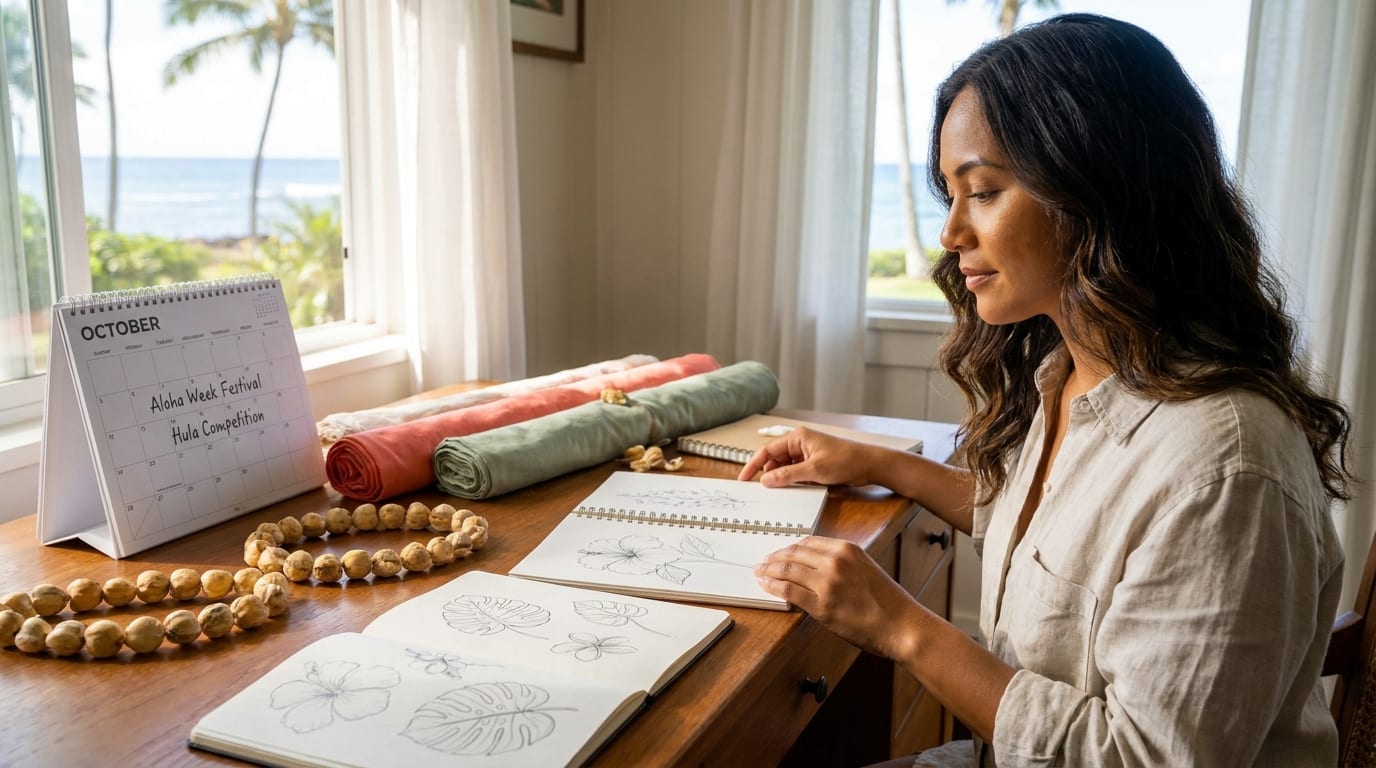
Hawaii vendors operate in a higher-cost, permit-heavy, culturally rich environment that mainland planners rarely encounter. That distinction shapes everything from pricing to planning timelines.
Start with cost. Weddings in Hawaii run up to 20% more than on the mainland because food, lodging, and rentals are all pricier on the islands. A Hawaii wedding planner who works locally every week understands where those markups are unavoidable and where there’s genuine room to adjust scope. Mainland planners may not anticipate line items like imported florals, inter-island freight, or higher food-and-beverage minimums, which leads to under-budgeting.
Then there’s the booking calendar. Hawaii doesn’t have a single peak season the way mainland venues do. Weddings run year-round thanks to consistent weather, with May being one of the busiest months and February among the slowest. Local vendors know when specific islands and venues are realistically available and can suggest mid-week dates or shoulder periods that a mainland planner wouldn’t think to recommend.
Local relationships matter enormously. Hawaii-based planners have deep, long-standing relationships with island vendors, venues, and officiants and know which vendors are reliable, which offer the best value, and how to secure prime dates that may not be available to mainland coordinators. They also understand cultural protocols. The Hawaii Tourism Authority’s Malama Hawaii initiative encourages respectful engagement with Native Hawaiian traditions, and local vendors help couples integrate elements like lei exchange or oli authentically rather than treating them as decoration.
Finally, legal requirements add a layer that mainland planners often overlook. Your officiant must hold a state-issued marriage performer license. Beach ceremonies on state shorelines require a Right-of-Entry permit. And each county has its own rules about amplified sound, tent sizes, and alcohol at parks. A connected local team handles all of this as part of their standard workflow.
Which Hawaii Islands Have the Strongest Bridal Vendor Networks?
Oahu has the largest and most diverse vendor pool, followed closely by Maui, with Kauai and the Big Island offering smaller but highly specialized networks.
Hawaii is estimated to host 17,370 weddings in 2025, generating about $927 million in total wedding spending. But that activity isn’t spread evenly. Here’s how the islands compare:
| Island | 2024 Visitors (approx.) | Share of Hawaii Visitors | Vendor Network Size | Best For |
|---|---|---|---|---|
| Oahu | ~6.0 million | ~50% | Largest, most diverse | Large weddings, urban-resort events |
| Maui | ~2.3 million | ~21% | Strong, luxury-focused | Elopements, micro-weddings, honeymoon combos |
| Big Island | ~1.7 million | ~15% | Moderate, spread out | Adventure weddings, ranch venues |
| Kauai | ~1.4 million | ~12% | Smallest, boutique | Intimate ceremonies, dramatic scenery |
Oahu’s massive visitor base supports the deepest pool of planners, rental companies, caterers, florists, and entertainment options. If you want a 150-person reception with a live band and a full bar, Oahu gives you the most choices.
Maui punches above its weight. Over 7,000 couples traveled to Maui to get married in a recent year-to-date count, though that figure was down 24% from 2023. The island’s vendor community is tightly knit and heavily focused on luxury elopements and intimate celebrations.
Kauai and the Big Island have fewer vendors, which means you may need to fly in specialty teams (hair and makeup artists, large-scale decor companies, certain DJs) from Oahu or Maui, adding travel fees to your budget.
What Does a Full Hawaii Wedding Vendor Team Actually Cost?
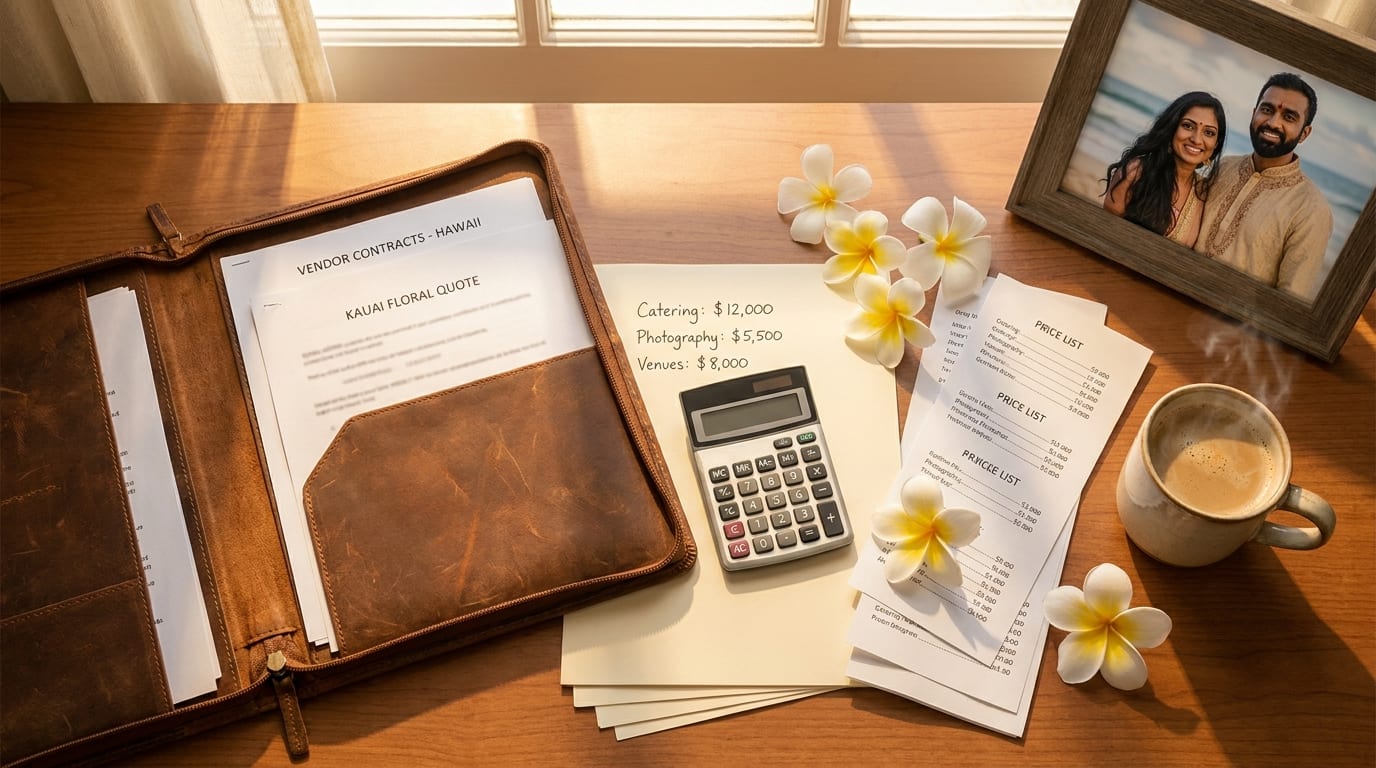
A full vendor team for 100 guests on Oahu typically runs $50,000 to $80,000 before travel and accommodations. Smaller celebrations cost significantly less, and costs vary significantly based on season, guest count, and specific vendors.
Here’s a realistic line-item breakdown based on Hawaii-specific vendor data from HNL Studios:
| Vendor Category | Typical Range |
|---|---|
| Venue | $2,000 - $15,000 |
| Catering & bar | $5,000 - $15,000 |
| Wedding coordinator | $5,000 - $10,000 |
| Photography | $4,000 - $10,000 |
| Videography | $5,000 - $12,000 |
| Flowers | $3,000 - $4,000 |
| Rentals (tables, chairs, linens) | $2,000 - $4,000 |
| DJ & MC | $2,500 - $3,000 |
| Hair & makeup | $500 - $1,000 |
| Officiant | $500 - $900 |
Per-guest costs usually fall between $250 and $600 for a full vendor lineup, depending on the level of production. HNL Studios breaks it into tiers: a simple, intentional wedding runs about $150 to $250 per person, a standard destination wedding hits $250 to $300, and elevated or luxury events range from $300 to $900 per person.
Planning and coordination is a major line item, not an afterthought. Full-service Hawaii wedding planners typically charge $5,000 to $15,000, while day-of coordination runs $1,500 to $6,000. Some full-service planners charge 10 to 20% of the total wedding budget instead of a flat fee.
Don’t forget the extras that add up fast. Airfare from the continental U.S. typically runs $700 to $1,500 per person. Hotels average $350 to $600 per night for midrange to luxury properties. And Hawaii’s combined taxes on wedding services and accommodations can push effective rates above 17% when you factor in the General Excise Tax, Transient Accommodations Tax, and county surcharges.
For a detailed destination wedding cost breakdown across all locations, our full guide covers what to expect.
Trip Protection for Your Wedding Party
Cover flights, hotels, and medical emergencies for your entire guest list. Cancel-for-any-reason options ideal for destination weddings.
A+ rated insurer. Group plans available for wedding parties.
Compare PlansHow Do You Vet and Connect With Hawaii Wedding Professionals?
Start by confirming that every vendor on your shortlist is legally permitted to work in Hawaii and carries proper insurance. Then dig into their destination-wedding experience specifically.
Here’s a practical vetting checklist:
Verify legal compliance first. Ask your officiant whether they’re a registered Hawaii marriage performer. Ask your planner or photographer whether they pull DLNR permits for beach ceremonies. Request a sample permit with their business name on it from a past event. Any hesitation here is a red flag.
Check insurance and business registration. Many Hawaii venues require vendors to carry general liability insurance (commonly $1 million in coverage) and provide a certificate of insurance before allowing them on property. Ask whether the vendor is registered to do business in Hawaii and under what legal name.
Prioritize destination-wedding experience. About 60% of Hawaii weddings involve two non-resident spouses, so you want professionals who specialize in remote planning. Ask what percentage of their couples plan from the mainland, how they handle virtual walkthroughs and time zone differences, and how many weddings they personally manage per month.
Request transparent pricing. Most wedding professionals report that over half of couples now take one to four weeks to book after inquiring, with more comparison shopping than ever. That’s fine. But you need clear, written estimates that account for Hawaii’s higher costs. If a vendor’s quote seems unusually low, they may be leaving out permits, travel surcharges, or tax.
Use established platforms as a starting point. Sites like WeddingWire list vetted Hawaii planners with reviews and pricing ranges. Cross-reference those reviews with the vendor’s own portfolio and social media presence.
Our beach wedding checklist walks through the full timeline for booking each vendor category.
Destination-Specific Vendor Needs: Maui vs. Oahu vs. Kauai vs. Big Island
Each island creates different logistical realities for your vendor team. Here’s what to plan for:
Oahu gives you the most options but also the most competition for popular dates. With over 30,000 visitor accommodation units concentrated in Waikiki, many resort venues have preferred vendor lists and may require in-house catering. Outside-vendor fees are common. The upside: you’ll find specialists for every category, from florists to live Hawaiian music ensembles, without needing to fly anyone in.
Maui is the romantic powerhouse. Top photographers, planners, and venues on Maui often book 12 to 18 months out during peak season, and some popular venues book up to two years in advance. Many Wailea and Kapalua resorts require you to use in-house catering and may charge higher minimums for external vendors. If you’re planning a Maui wedding, start early and be flexible on dates.
Kauai is the most rural of the four main islands, with about 73,000 residents. The vendor pool is boutique-sized. You’ll find excellent officiants and photographers who know every hidden beach and waterfall, but for large-scale decor, specialty lighting, or a full band, you’ll likely need to bring vendors from Oahu or Maui. Budget an extra $500 to $2,000 per vendor for inter-island travel and accommodations.
Big Island is physically enormous, over 4,000 square miles, bigger than all other main islands combined. Venues are spread between Kona, Kohala, Hilo, and more remote areas. Vendors often factor long drive times into their pricing, and some couples need separate teams for different parts of the island to avoid overtime surcharges. If your ceremony is in Kohala and your reception is in Kona, confirm travel logistics with every vendor in advance.
Each county also has its own park permit rules for weddings. Amplified sound, tent sizes, and alcohol use are regulated differently on Oahu, Maui, Kauai, and the Big Island. Your planner should handle these permits, but always confirm. Rules change, so consult your local planner or the relevant county parks department to confirm current requirements.
Wedding Stationery That Sets the Tone
Coordinated invitations, programs, menus, place cards, and thank you cards designed by independent artists. One brand, one aesthetic, end to end.
16,000+ artists. Free guest addressing on most orders.
Shop Wedding StationeryWedding Thank You Cards from Minted
Match your invitation suite with custom photo thank you cards. Print on linen, pearlescent, or premium matte stock with free addressing.
Free guest address printing. Same-day proofs.
Browse Thank You CardsHow BeachBride Connects You With Trusted Hawaii Wedding Vendors
Building your vendor team from 2,500 miles away is the hardest part of planning a Hawaii wedding. You’re comparing portfolios across time zones, trying to figure out who actually knows the permit process, and hoping the photographer who looks great on Instagram also shows up on time.
That’s where we come in. BeachBride’s Hawaii vendor network includes planners, photographers, florists, officiants, and venues across all four major islands. Every vendor we recommend works locally, carries proper insurance, and understands the permitting, cultural, and logistical realities of island weddings.
We don’t just hand you a list. When you take our quiz, you tell us your island preference, guest count, budget range, and style. We match you with vendors who fit your specific celebration, whether that’s a 20-person elopement on a Kauai cliffside or a 150-guest reception at an Oahu estate.
A few things our recommended vendors handle that you shouldn’t have to worry about:
- DLNR beach permits secured and paid for before you arrive
- Marriage license timing coordinated around your travel days
- Officiant registration verified with the Hawaii Department of Health
- Weather backup plans built into every outdoor ceremony
- Cultural guidance so any Hawaiian traditions you incorporate are done with respect and proper context
Hawaii’s wedding industry generated nearly $927 million in 2025, ranking first nationally in average wedding cost. With that much money at stake, you deserve a team that knows exactly what they’re doing.
Ready to find yours? Take the BeachBride quiz and get matched with vetted Hawaii wedding professionals who already work together, already know the islands, and are already excited to help you pull this off.