If you’re planning a Punta Cana wedding or considering the Dominican Republic for your celebration, you’re stepping into one of the most vibrant wedding cultures in the Caribbean. Dominican Republic wedding traditions blend Spanish Catholic influences with African heritage, creating ceremonies that are deeply personal, wildly fun, and centered on family in a way that will make every guest feel like they belong. Whether you have Dominican roots or simply fell in love with the island, understanding these traditions will help you build a celebration that feels authentic rather than borrowed.
What Are Dominican Republic Wedding Traditions?
Dominican wedding traditions are a living mix of faith, family, and festive music rooted in centuries of Spanish and African cultural exchange. They’re not a rigid checklist. They’re more like a toolkit of meaningful rituals you can pick from, adapt, and make your own.
At their core, these traditions prioritize community over spectacle. The formal request for the bride’s hand (la pedida de mano) remains common in the vast majority of traditional Dominican weddings, even after a couple is already engaged, as The Knot notes. The groom meets with the bride’s parents in a family gathering to honor the bond between families. It sets the tone for everything that follows: this isn’t just about two people. It’s about two families becoming one.
The ceremony itself often takes place in a Catholic church, though many destination couples opt for a symbolic ceremony on the beach with select traditions woven in. As Destination Dream Weddings notes, legal beach ceremonies aren’t recognized by the Dominican government. A civil official must perform the legal marriage separately, so keep that in mind as you plan.
The Role of Family and Community in Dominican Weddings
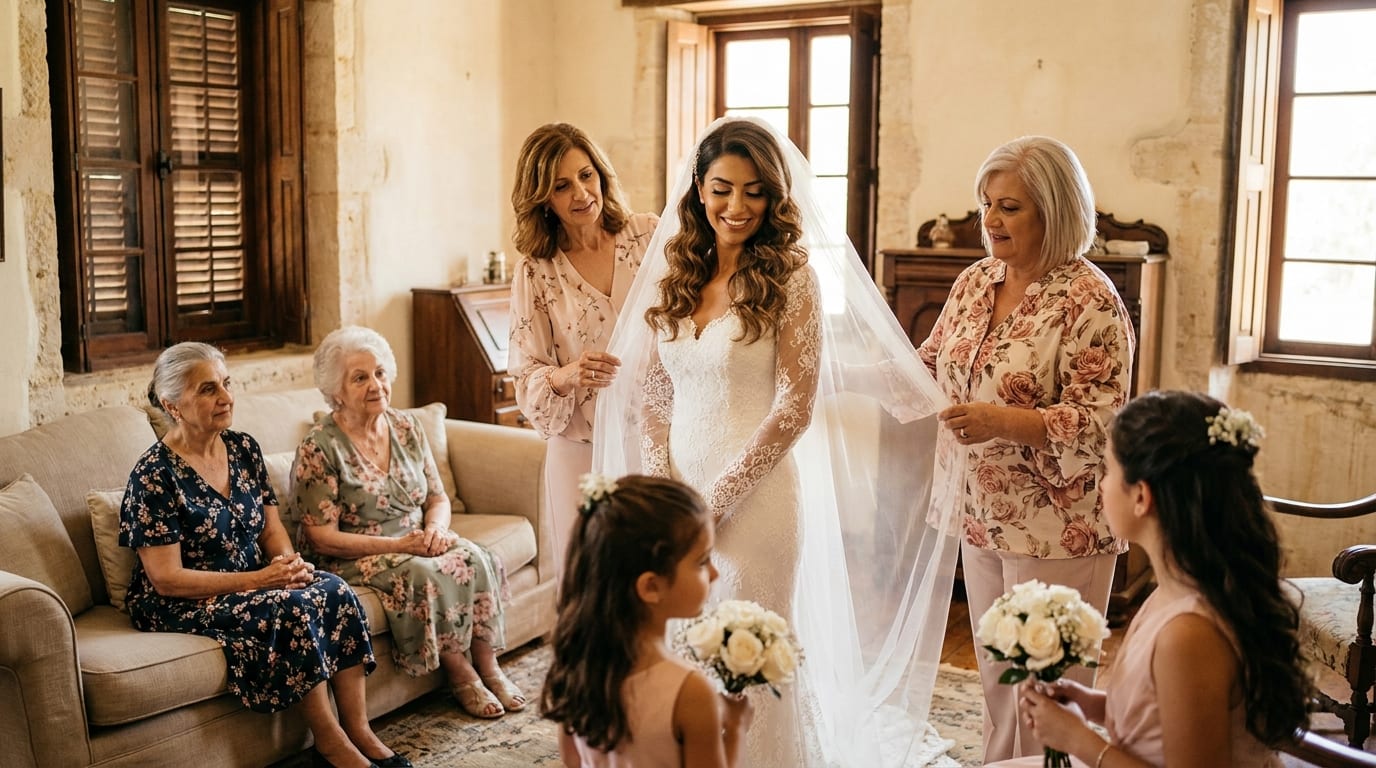
Family isn’t a backdrop at a Dominican wedding. It’s the main event. From the ceremony structure to the reception seating, every detail reflects the belief that marriage is a communal commitment.
The most distinctive example? Padrinos and madrinas (godparents). As HDC Photo notes, couples select multiple godparents, often including the bride’s father and the groom’s mother as primary figures. These aren’t honorary titles. Padrinos serve as legal witnesses, sign the marriage certificate, and commit to guiding the couple throughout their married life. Colonial Zone DR makes clear that this role carries real weight in Dominican culture.
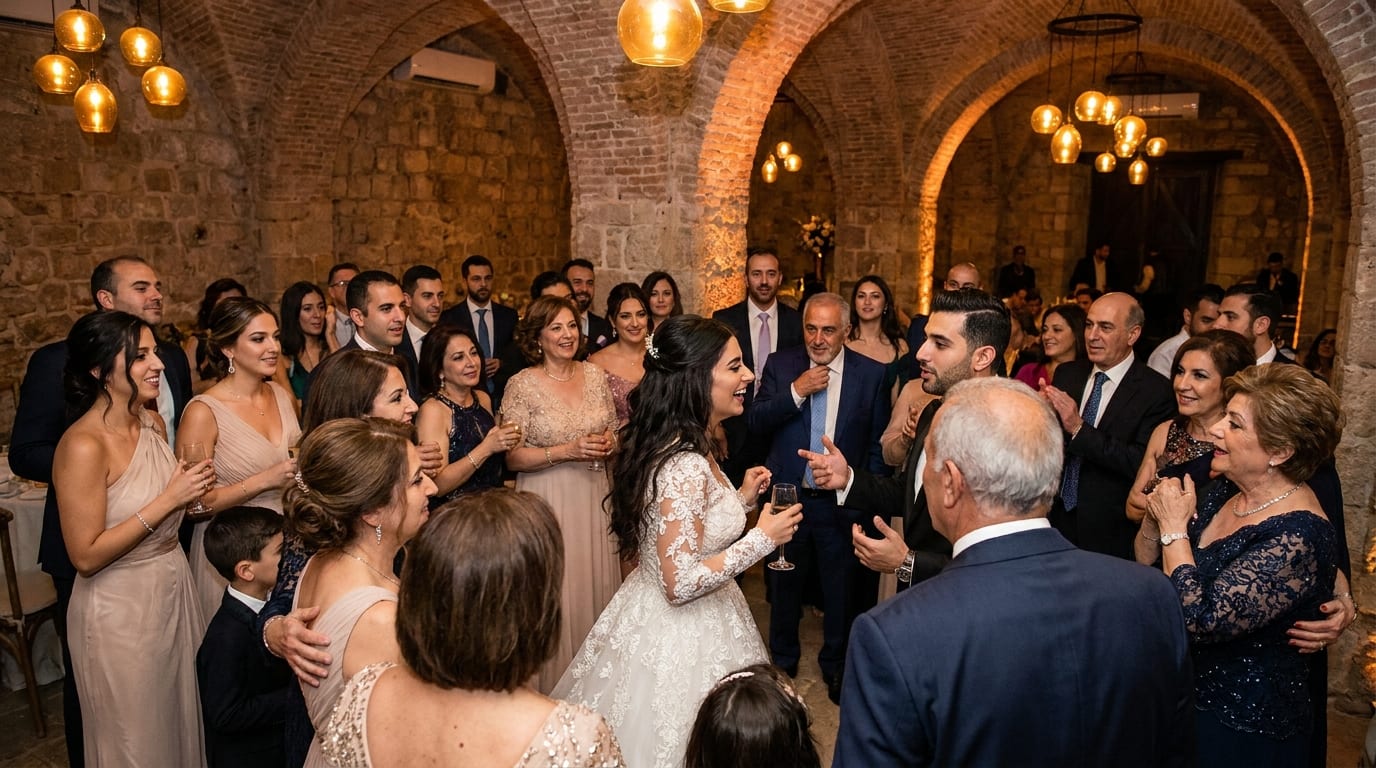
Here’s something that surprises many couples from the U.S. or Canada: there are no bride and groom “sides” in the church. Guests sit wherever they like. And at the end of the ceremony, dozens of family members and friends approach the altar as witnesses, as Destination Dream Weddings notes, creating a powerful visual of communal support.
Another surprise? Large bridal parties with rows of bridesmaids and groomsmen aren’t traditional. The wedding party is typically small: a flower girl, a ring bearer, a young boy carrying the arras coins, a bible carrier, and the godparents. That’s it. If you’re planning a destination wedding with a smaller guest list, this tradition actually works in your favor.
What Are the Most Beloved Dominican Wedding Rituals?
The rituals that guests remember most are the ones that carry real emotional weight or pure, unfiltered joy. Here are the ones you’ll hear about again and again.
Las Arras (The 13 Gold Coins)
This is the signature Dominican ceremony ritual. The groom presents the bride with 13 gold coins, often displayed on a silver tray and carried to the altar by a young boy. As MaryPily Event Studio notes, the coins are blessed by the priest and symbolize the groom’s pledge to share all material possessions. The bride’s acceptance signals mutual trust. It’s a quiet, powerful moment that translates beautifully to any setting, from a cathedral to a beachside gazebo.
El Lazo (The Lasso Ceremony)
Godparents drape a decorative cord or rosary in a figure-eight around the couple’s shoulders during the ceremony. As The Knot notes, this symbolizes eternal unity and shared faith. The visual is striking, and it gives your padrinos a meaningful role in the ceremony itself.
La Ceremonia Contada (The Told Ceremony)
This uniquely Dominican custom involves sharing the couple’s love story during the ceremony. As Destination Weddings Blog notes, a close friend or family member narrates how the couple met, fell in love, and decided to marry. Think of it as a personalized reading that replaces generic poetry with your actual story.
The Processional Order
The groom enters first, arm-in-arm with his mother. Then the bride’s mother enters with the groom’s father. The bride enters last with her father. As MaryPily Event Studio notes, there’s no rice or petal toss outside the church. Guests proceed directly to the reception.
| Tradition | What It Involves | Best For |
|---|---|---|
| Las Arras | 13 gold coins exchanged during vows | Any ceremony style (church, beach, resort chapel) |
| El Lazo | Decorative cord draped around couple by godparents | Couples who want godparents involved in the ceremony |
| Ceremonia Contada | Love story narrated by a friend or family member | Couples who want a personal, non-religious reading |
| Padrinos/Madrinas | Godparents serve as witnesses and lifelong guides | Small wedding parties, destination weddings |
| Baile del Dinero | Guests pin cash on the couple while dancing | Fun-loving receptions, interactive crowds |
| Hora Loca | High-energy late-night dance party | Receptions that run past midnight |
Music, Dancing, and the Reception: Where the Real Magic Happens
If the ceremony is the heart of a Dominican wedding, the reception is its pulse. And that pulse is merengue.
Merengue is the official music and dance of the Dominican Republic, and as About Time Magazine notes, it dominates every authentic Dominican reception. Live bands are preferred over DJs for the energy they bring. Bachata and perico ripiao (a faster, accordion-driven style of merengue) fill out the playlist, but merengue is the anchor.
The first dance is almost always merengue. If you and your partner don’t know the steps, don’t worry. The basic merengue is a simple side-to-side step that anyone can learn in an afternoon. Some couples hire a professional instructor to teach guests during cocktail hour, which doubles as an icebreaker.
Then there’s la hora loca, the “crazy hour.” This late-night segment, as The Knot notes, lasts about an hour and features glow sticks, confetti cannons, LED props, and sometimes fire performers or stilt walkers. It’s designed to re-energize guests who might be fading and push the party well past midnight. If you’ve ever been to a wedding that lost steam after the cake cutting, hora loca is the antidote.
The baile del dinero (money dance) is another reception highlight. After the couple’s first dance, guests line up to dance with the bride and groom, pinning cash directly onto their clothing. As MaryPily Event Studio notes, it’s a raucous, joyful tradition that doubles as a prosperity blessing. It’s also a fantastic wedding photographer moment.
Dominican Wedding Food and Drink Traditions
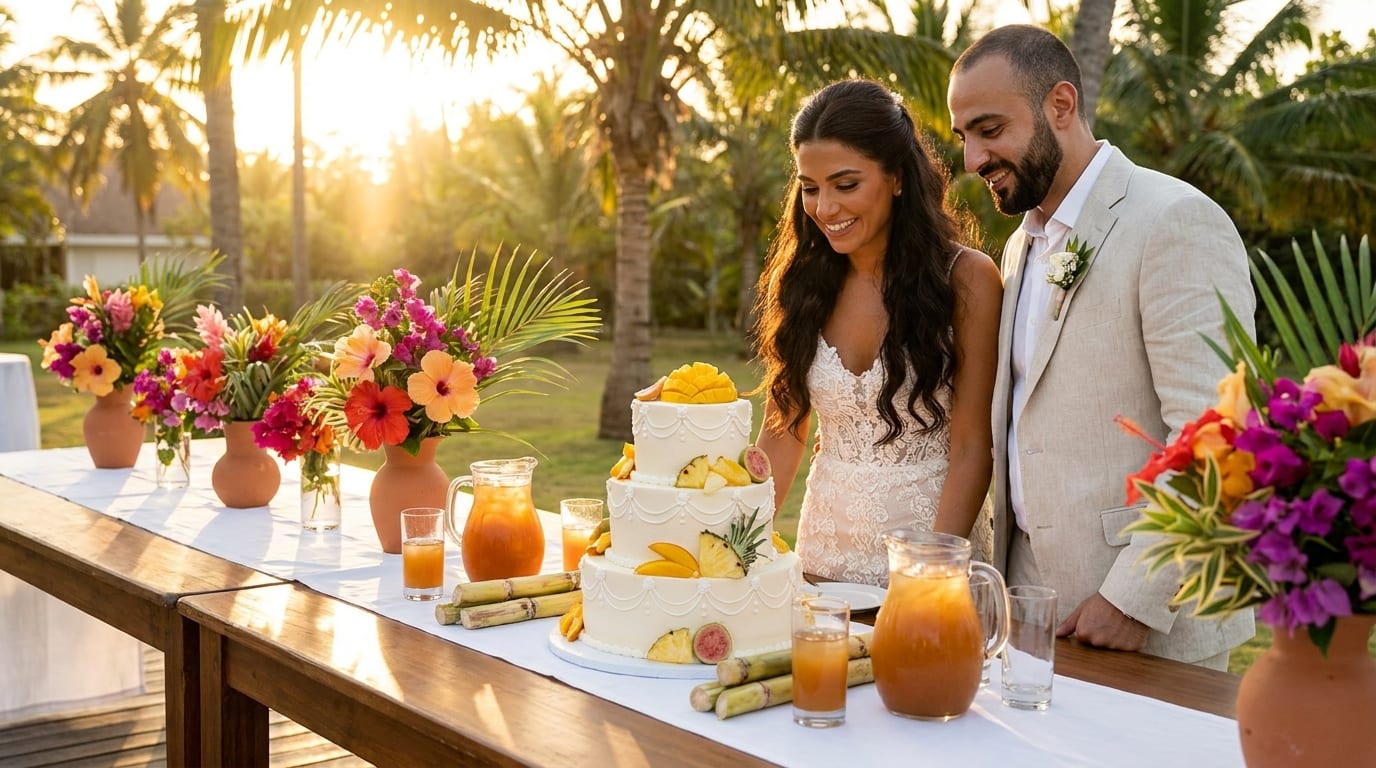
Forget the myth that Dominican receptions are light affairs with cake and champagne. Modern Dominican weddings feature full sit-down dinners that could rival any fine dining experience, with local flavors front and center.
The Knot notes that sancocho, a hearty stew featuring up to seven kinds of meat alongside root vegetables, is a wedding staple often served over rice with sliced avocado. La Bandera Dominicana (rice, beans, and meat) also appears at nearly every reception as a nod to national cuisine.
For appetizers, look for pasteles en hoja, Dominican-style tamales wrapped in plantain leaves and filled with seasoned beef, chicken, or pork. As Destination Wedding Details notes, these have evolved from light bites to featured courses at modern receptions.
Dessert centers on tres leches cake, often soaked in rum, alongside dulce de leche and other sweets. And speaking of rum: local brands like Brugal and Barceló are essential, as The Knot notes. Mamajuana, a traditional drink made from red wine, honey, and rum infused with tree bark, often appears as an after-dinner specialty.
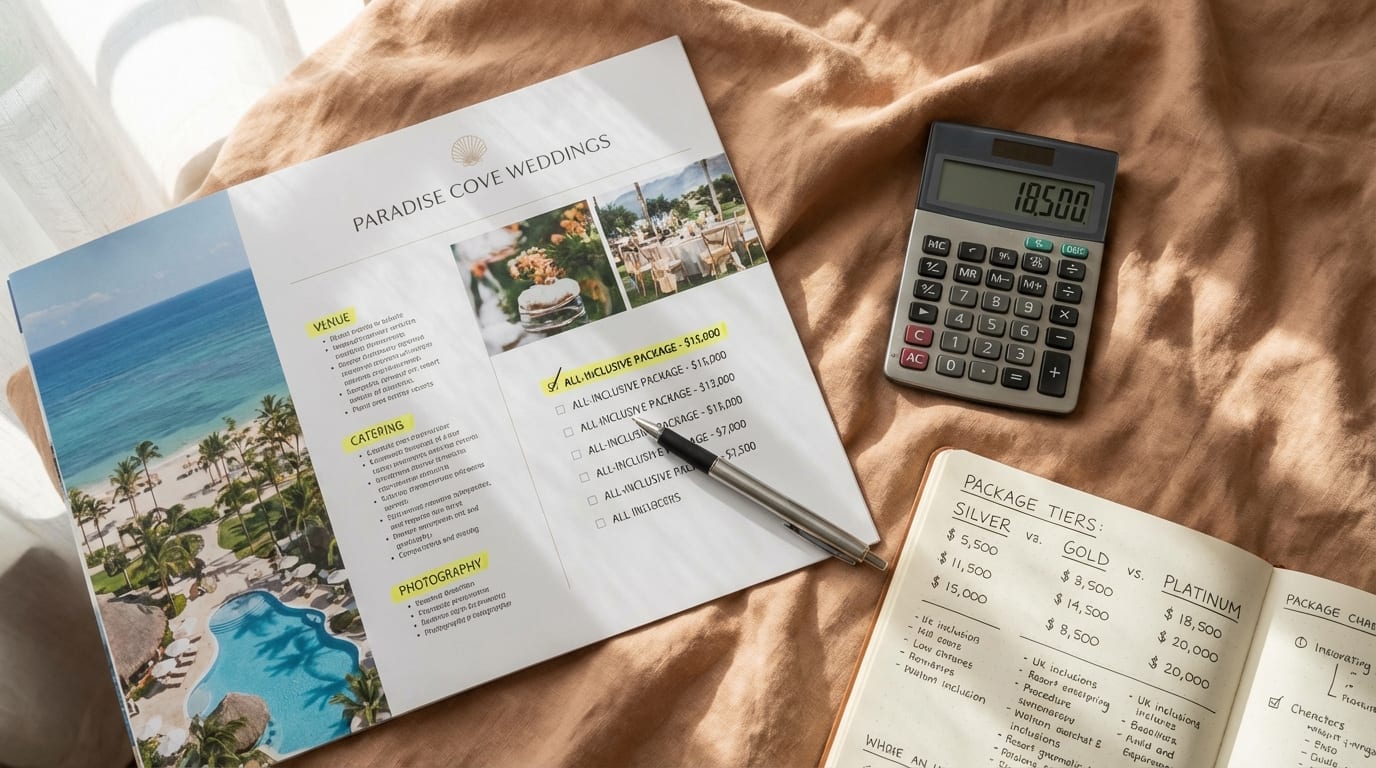
If you’re booking an all-inclusive resort package, ask the resort chef about incorporating these dishes into your menu. Most Punta Cana resorts can accommodate local cuisine requests, and your guests will thank you for going beyond standard banquet fare.
Note: Costs for custom catering vary significantly based on season, guest count, and specific vendors.
How Do Dominican Traditions Blend with a Destination Wedding?
Beautifully, as long as you’re intentional about which elements you include and how you frame them. The key is choosing traditions that resonate with your relationship rather than treating them as decorative add-ons.
Start with the ceremony. Las arras works in any setting: a resort chapel, a beachfront arch, even a private villa garden. You don’t need a Catholic priest to include it. Many couples incorporate the coin exchange into non-religious ceremonies with a brief explanation for guests who aren’t familiar with the tradition, as HDC Photo notes.
The ceremonia contada is another easy fit. Ask a close friend to share your love story during the ceremony. It replaces a generic reading with something deeply personal, and it works whether you’re standing in a cathedral or barefoot on the sand.
For the reception, merengue is a no-brainer. A wedding planner in Punta Cana can connect you with local bands who specialize in wedding performances. Even if your guest list skews toward people who’ve never danced merengue, the rhythm is infectious. A 15-minute group lesson during cocktail hour turns nervous guests into enthusiastic dancers.
One important legal note: if you want your Dominican Republic wedding to be legally binding, you’ll need a civil ceremony performed by a government official. Beach ceremonies are symbolic only. Consult your local planner or the Dominican Republic embassy to confirm current requirements, as these can change.
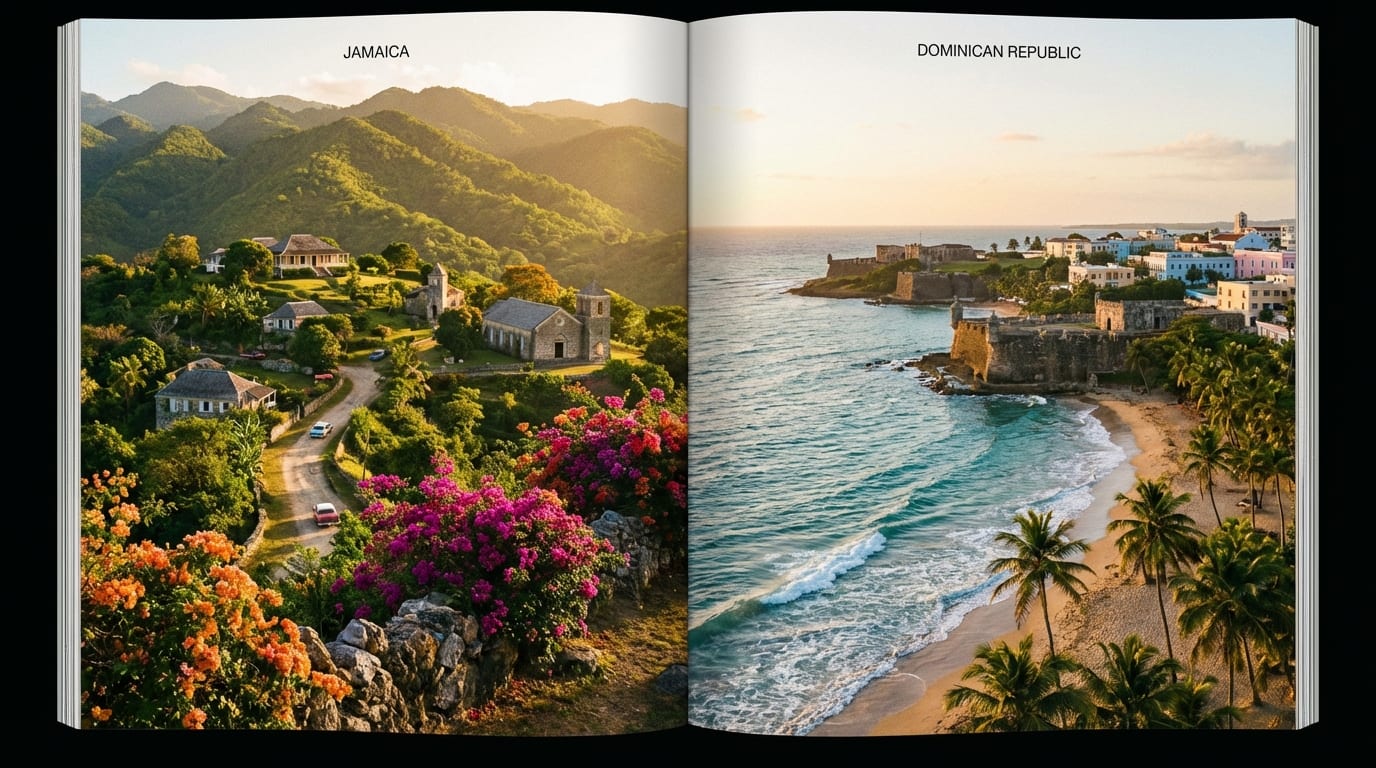
If you’re weighing the DR against other Caribbean options, our Jamaica vs Dominican Republic comparison breaks down the practical differences.
Which Traditions Should You Borrow (Even If You’re Not Dominican)?
You don’t need Dominican heritage to honor these traditions. You just need to approach them with respect and genuine appreciation. Here are the ones that translate most naturally across cultures.
Las arras is universally meaningful. The idea of pledging to share everything with your partner resonates regardless of background. Buy a set of 13 coins (available online or at jewelry shops in the DR), and ask your officiant to include a brief explanation of the tradition during the exchange.
The ceremonia contada solves a problem many couples face: how to make the ceremony feel personal without writing your own vows from scratch. Having a friend narrate your story is intimate, entertaining, and takes the pressure off you.
Hora loca is pure fun. Even if you skip every other tradition on this list, consider adding a crazy hour to your reception. As Destination Dream Weddings notes, it features props like glow sticks, LED accessories, and confetti cannons. Your wedding photographer will capture some of the best candid shots of the entire night.
Pre-ceremony photos together is a practical tradition worth borrowing. Dominican couples, as About Time Magazine notes, often photograph with family hours before the ceremony. For destination weddings where golden-hour light is limited, this gives you more time for portraits and less stress on the day.
Small wedding parties built around padrinos rather than a dozen bridesmaids? That’s a gift for any destination wedding. Fewer attendants means fewer coordination headaches, fewer matching outfits to source, and a more intimate ceremony.
If you’re still building your destination wedding budget, borrowing these traditions can actually save money. A ceremonia contada costs nothing. Las arras coins are a one-time purchase. And a small wedding party means fewer bouquets, boutonnieres, and gift expenses.
How BeachBride Can Help You Plan Your Dominican-Inspired Wedding
Planning a wedding that honors Dominican traditions while working within the logistics of a destination celebration takes some coordination. You need vendors who understand the culture, a venue that can accommodate local music and food, and an officiant who can weave rituals like las arras and el lazo into your ceremony with grace.
That’s exactly what we help with. Whether you’re looking for a Punta Cana wedding planner who knows how to source a live merengue band, a resort that will let you customize your menu with sancocho and pasteles en hoja, or a photographer who’s captured hora loca energy before, we can point you in the right direction.
Start with our beach wedding checklist to get the logistics locked down. Then, when you’re ready to find vendors who truly get what you’re going for, take our quick quiz. We’ll match you with planners, photographers, and venues based on your destination, style, and the traditions that matter most to you.
Take the BeachBride quiz and get matched with your perfect vendors →
Your celebration in the Dominican Republic can be as traditional or as modern as you want it to be. The beauty of these traditions is that they’re built on universal values: generosity, community, joy, and the belief that love is worth celebrating loudly, together, until the sun comes up.